The Costa Brava is renowned for its dramatic coastline, hidden coves, and vibrant culture, yet few places along this storied stretch of Catalonia offer such a unique combination of natural beauty and celestial wonder as La Cala Culip and the Pla de Tudela. Tucked within the Cap de Creus Natural Park, at the very tip of the Iberian Peninsula, this rugged and remote location provides stargazers with an unparalleled opportunity to observe the night sky in conditions that rival some of the finest dark sky reserves in Europe. Far from the glow of bustling resorts and coastal towns, the area's isolation, protected status, and distinctive topography create an environment where the Milky Way arcs across the heavens in breathtaking clarity, and constellations seem almost within reach.
The Unique Geography That Makes Pla de Tudela a Stargazer's Paradise
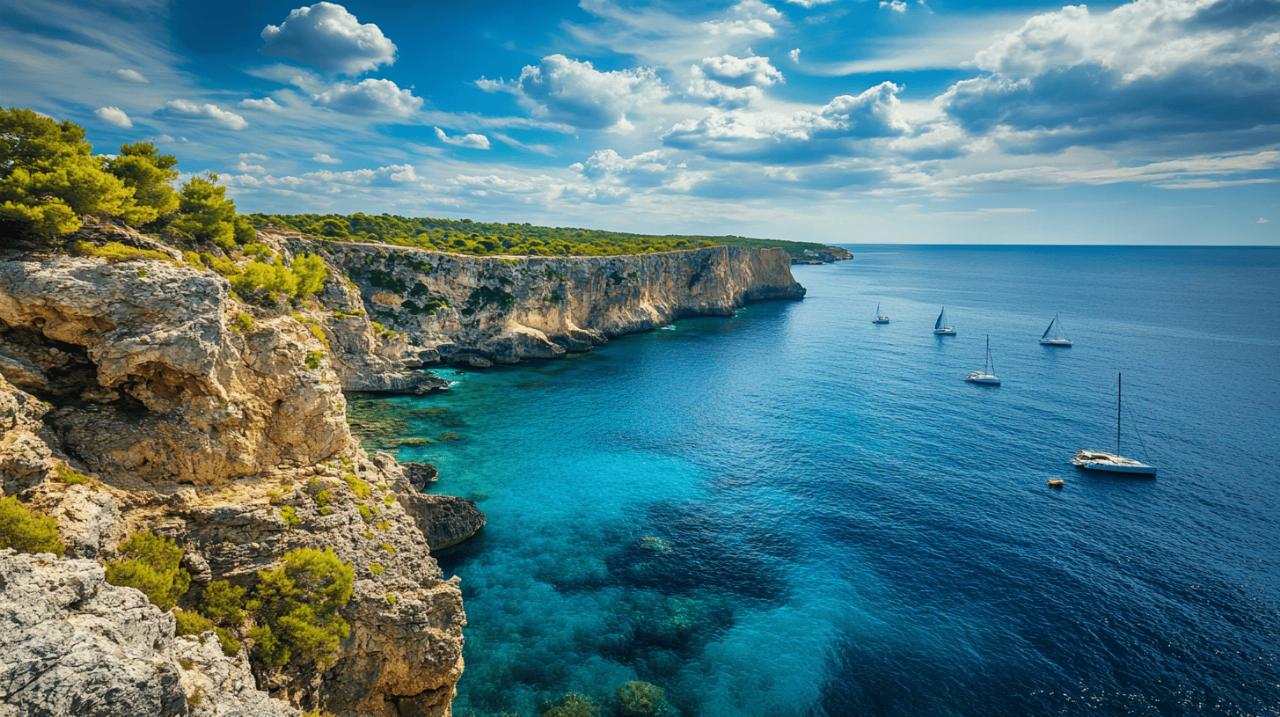
The paratge of Pla de Tudela occupies a singular position on the Costa Brava, both geographically and ecologically. This windswept plateau, sculpted by millennia of erosion from sea and sky, sits at the easternmost point of the Iberian Peninsula. The terrain here is characterised by otherworldly rock formations, twisted and smoothed by relentless wind and water, creating a landscape that inspired the surrealist imagination of Salvador Dalí. The artist himself was a frequent visitor, drawn by the bizarre shapes and the raw, elemental power of the place. Today, the area is a protected zone within Cap de Creus Natural Park, ensuring that human interference remains minimal and that the natural environment is preserved for future generations.
Protected Dark Sky Status and Minimal Light Pollution in Cap de Creus
One of the most significant factors contributing to the exceptional stargazing opportunities at Pla de Tudela and Cala Culip is the remarkably low level of light pollution. Cap de Creus benefits from its remote location, far removed from major urban centres such as Girona or Barcelona. The nearest villages, including Cadaqués and Port de la Selva, are small and maintain relatively modest lighting schemes, especially when compared to the sprawling coastal developments found elsewhere along the Mediterranean. Furthermore, the natural park's protected status means that development is strictly controlled, preventing the intrusion of bright streetlights and commercial signage that would otherwise wash out the night sky. This combination of distance from major population centres and rigorous environmental protection results in darkness that is increasingly rare in modern Europe, allowing the faintest stars and the subtle glow of distant galaxies to shine through.
How the rugged coastal terrain creates optimal viewing conditions
The topography of the Cap de Creus peninsula further enhances the stargazing experience. The rugged, elevated terrain provides unobstructed views in almost every direction, with the Mediterranean Sea stretching out to the south and east, and the rolling hills of the Alt Empordà region to the west. This elevated position means that observers are often above the coastal haze and humidity that can obscure celestial objects at lower altitudes. The rocky outcrops and natural clearings at Pla de Tudela offer stable, level ground for setting up telescopes or simply reclining to take in the view. The absence of trees and tall vegetation, a consequence of the relentless Tramuntana wind, ensures that the horizon remains wide open, maximising the visible sky. The geological formations themselves, while striking during the day, also provide natural windbreaks and sheltered spots, allowing stargazers to find a comfortable vantage point even on breezy evenings.
Planning Your Nocturnal Adventure: Best Times and Seasons for Stargazing
Timing is everything when it comes to stargazing, and understanding the rhythms of the night sky is essential for making the most of a visit to Cala Culip and Pla de Tudela. The Costa Brava enjoys a Mediterranean climate, with warm, dry summers and mild, wetter winters, but the best conditions for astronomical observation do not always align with the peak tourist season. Careful planning, with attention to lunar cycles, seasonal events, and weather patterns, can dramatically improve the quality of your stargazing experience.
Lunar Cycles and Seasonal Meteor Showers to Watch For
The phase of the moon has a profound impact on the visibility of faint celestial objects. A bright, full moon can wash out the night sky, making it difficult to see all but the brightest stars and planets. For optimal stargazing, plan your visit around the new moon, when the lunar disc is invisible and the sky is at its darkest. The nights immediately before and after the new moon also offer excellent conditions. Consulting a lunar calendar before your trip will help you identify the best dates. In addition to lunar considerations, the Costa Brava's position on the Mediterranean makes it an excellent location for observing several annual meteor showers. The Perseids, which peak in mid-August, are particularly spectacular, with dozens of meteors per hour streaking across the sky. The Geminids in December are another highlight, though winter weather can be less predictable. Other notable showers include the Quadrantids in early January and the Orionids in October. Timing your visit to coincide with one of these events can add an extra dimension of excitement to your nocturnal adventure.
Weather Patterns and Clear Night Forecasting in the Alt Empordà Region
While the Costa Brava enjoys a generally favourable climate, weather conditions can vary significantly throughout the year. Summer, while popular with tourists, can sometimes bring hazy skies due to higher humidity and occasional cloud cover. Spring and autumn, however, offer a sweet spot, with milder temperatures, fewer crowds, and often clearer skies. The Tramuntana wind, a fierce northwesterly that sweeps down from the Pyrenees, can be both a blessing and a curse. While it can bring bitingly cold conditions and make outdoor observation uncomfortable, it also has the effect of clearing the atmosphere of haze and pollution, resulting in exceptionally transparent skies. Checking local weather forecasts is crucial. Look for predictions of clear skies, low humidity, and minimal wind. Several websites and apps provide detailed astronomical forecasts specifically designed for stargazers, offering information on cloud cover, atmospheric transparency, and seeing conditions. Winter can also be rewarding, with crisp, clear nights, though you will need to be prepared for colder temperatures and the possibility of rain. Whatever the season, packing layers of warm clothing is essential, as temperatures can drop significantly after sunset, even in summer.
What You'll See Above Cala Culip: Celestial Wonders of the Mediterranean Sky
 The night sky above Cala Culip and Pla de Tudela is a canvas of astonishing beauty, offering views that range from the familiar constellations to the ethereal glow of the Milky Way. The combination of low light pollution and clear Mediterranean air allows observers to see celestial objects with a clarity that is simply not possible in most urban or suburban locations. Whether you are a seasoned astronomer or a curious beginner, the sky above Cap de Creus is sure to inspire awe and wonder.
Constellations, Planets, and the Milky Way from Cap de Creus
On a clear, moonless night, the Milky Way is the undisputed star of the show. This band of light, composed of billions of distant stars within our own galaxy, arcs across the sky with breathtaking intensity. From Cap de Creus, the galactic core, which is most prominent during the summer months, rises above the southern horizon, creating a glowing river of light that is simply unforgettable. The constellations, too, are vividly displayed. In summer, look for the Summer Triangle, formed by the bright stars Vega, Deneb, and Altair. In winter, Orion dominates the southern sky, with its distinctive belt and the bright stars Betelgeuse and Rigel. The planets are also regular visitors to the night sky. Venus, often visible in the evening or morning twilight, shines brilliantly as the brightest object after the sun and moon. Mars, Jupiter, and Saturn are also frequently observable, their positions changing throughout the year. Using a stargazing app on your smartphone can help you identify these objects and navigate the constellations with ease.
Astrophotography opportunities amongst dalí's inspirational landscape
The unique landscape of Pla de Tudela provides not only a spectacular setting for visual observation but also an exceptional backdrop for astrophotography. The bizarre rock formations, sculpted by wind and water into surreal shapes, create a striking foreground for images of the night sky. Capturing the Milky Way arcing over these twisted rocks, or framing a constellation within the natural arch of a weathered outcrop, can result in truly memorable photographs. The absence of artificial light means that long exposures are possible without the risk of overexposure, allowing you to capture the faintest stars and the subtle colours of nebulae and galaxies. A sturdy tripod is essential, as is a camera capable of manual settings and long exposure times. A wide-angle lens is ideal for capturing sweeping views of the Milky Way and the landscape together. Experimenting with different exposures and compositions will allow you to create images that are uniquely your own. The turquoise waters of Cala Culip, visible during the day, also offer the potential for stunning sunrise or sunset shots, providing a beautiful contrast to the nocturnal scenes. The area's connection to Dalí adds an extra layer of artistic resonance, allowing you to create images that evoke the surrealist spirit that so captivated the artist.
Essential Kit and Practical Advice for Night-Time Exploration
A successful stargazing expedition requires more than just clear skies and a good location. Proper preparation, including the right equipment and a sensible approach to safety, is crucial for ensuring a comfortable and rewarding experience. The remote nature of Pla de Tudela and Cala Culip means that self-sufficiency is important, and being well-prepared will allow you to focus on the wonders of the night sky rather than practical concerns.
What to Pack for a Safe and Comfortable Stargazing Session
Even in summer, temperatures at Cap de Creus can drop significantly after sunset, so packing layers of warm clothing is essential. A fleece or down jacket, a hat, and gloves are highly recommended, especially during the cooler months. Sturdy, comfortable footwear is also crucial, as the terrain can be rocky and uneven. A head torch with a red light setting is invaluable for navigating in the dark without ruining your night vision. Red light is far less disruptive to the eye's adaptation to darkness than white light. Bring plenty of water and snacks, as there are no facilities at Pla de Tudela or Cala Culip. A blanket or reclining chair will make observing much more comfortable. If you plan to use a telescope or binoculars, make sure you are familiar with their operation before you arrive. Binoculars are an excellent choice for beginners, offering a wide field of view and ease of use. A stargazing app for your smartphone can help you identify constellations and celestial objects. Finally, consider bringing a thermos of hot tea or coffee to keep warm during long observing sessions.
Respecting the Natural Park After Dark and Safety Considerations
Cap de Creus is a protected natural park, and it is essential to respect the environment, especially after dark. Leave no trace of your visit, taking all rubbish with you. Avoid disturbing wildlife, and be mindful of the fragile ecosystem. Stick to designated paths where possible, and be aware of the rocky terrain underfoot. If you are walking from the Cap de Creus lighthouse or the nearby villages, make sure you have a reliable head torch and are confident in your navigation skills. The paths can be challenging at night, and it is easy to become disoriented. Let someone know your plans before you set off, including your expected return time. Mobile phone coverage can be patchy in some areas, so do not rely solely on your phone for navigation or communication. During summer, vehicle access to the lighthouse can be restricted, and a bus service operates from Cadaqués. Check local information before you travel. The Tramuntana wind can be fierce, so be prepared for gusty conditions, and secure any loose equipment. By taking these precautions and respecting the natural environment, you can ensure a safe and enjoyable stargazing experience at one of the Costa Brava's most remarkable locations.