The majestic peaks of the Mont Blanc massif have long drawn climbers from across the globe, offering both breathtaking vistas and formidable challenges. Yet the thin line between triumph and tragedy is starkly illustrated by a devastating incident that unfolded on the Aiguille Verte, a peak renowned for its technical difficulty and unforgiving terrain. On the twenty-third of April in two thousand and seventeen, an Italian woman aged thirty-eight lost her life after falling approximately five hundred metres whilst descending the couloir Armand Charlet. She had been climbing alongside a forty-three-year-old British companion when cascading snow struck her at about three thousand eight hundred metres above sea level, sending her plummeting down the steep face. This tragic event serves as a sobering reminder of the inherent risks that define alpine mountaineering, where even favourable conditions can swiftly give way to disaster.
The Tragic Incident: What Happened on the Aiguille Verte
Circumstances Leading to the Fatal Fall
The sequence of events that led to this fatal accident began in what appeared to be a promising window of opportunity for climbers. The PGHM commander later confirmed that conditions on the mountain were generally good at the time, yet a significant hazard lurked beneath the surface of this apparent stability. The intense sun bearing down on the steep slopes had created a heightened risk of snow cascading, a phenomenon where layers of snow become destabilised and begin to slide with little warning. This was precisely the danger that materialised during the descent, catching the climbers in a vulnerable position. The woman was struck by the cascading snow and fell an immense distance down the couloir, a narrow and treacherous gully that funnels both climbers and falling debris with terrifying efficiency. Her companion, though spared the same fate, could only watch helplessly as the mountain claimed her life in a matter of seconds.
The immediate response from mountain rescue teams
As soon as the alarm was raised, the Peloton de Gendarmerie de Haute Montagne mobilised its resources to respond to the emergency. The PGHM, a specialised unit of mountain rescuers based in Chamonix, is well accustomed to the perils of the Mont Blanc massif and operates with exceptional skill in the most challenging conditions. Helicopter rescue teams were dispatched to the scene, navigating the treacherous terrain and thin air to reach the stricken climbers. Despite their swift response and the expertise at their disposal, the severity of the fall meant that the woman's injuries were beyond any hope of survival. The British man was brought down safely, though undoubtedly shaken by the harrowing ordeal. This incident was far from isolated; the same day saw mountain rescue teams responding to multiple emergencies across the region, underscoring the relentless demands placed upon these brave individuals who risk their own safety to save others.
Understanding the Aiguille Verte: Geography and Risks
The mont blanc massif and its notorious routes
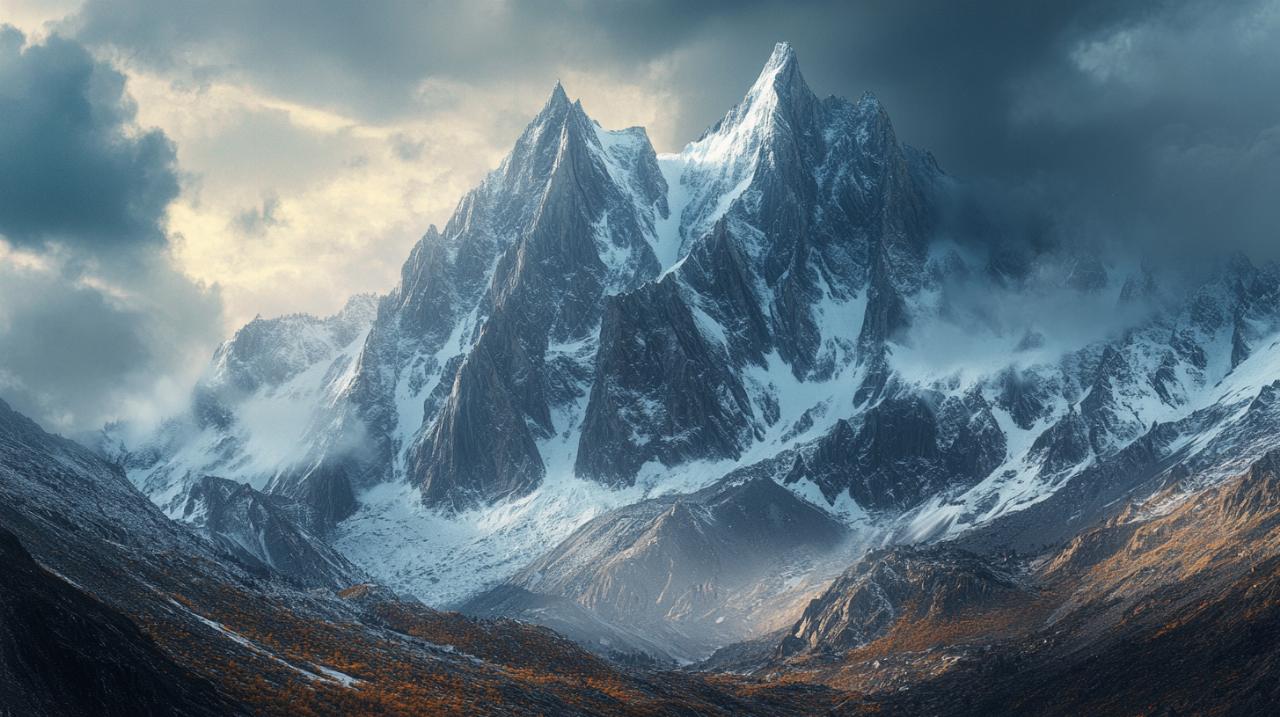
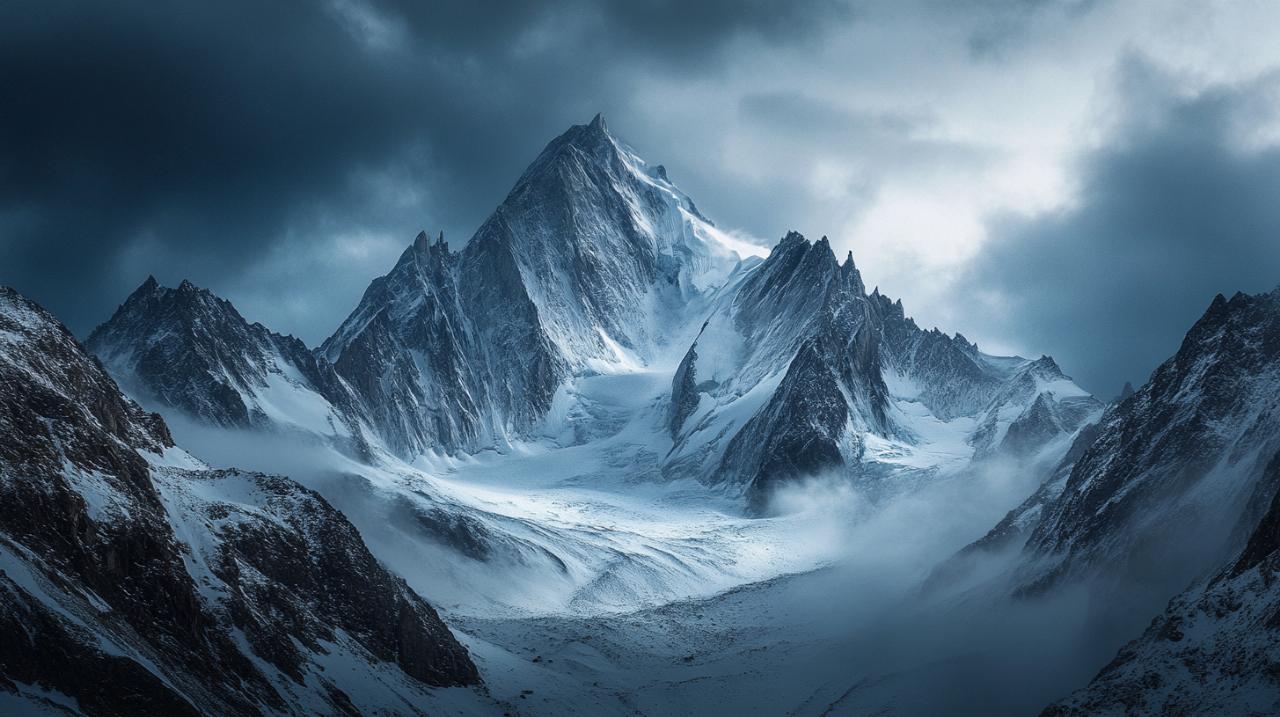
The Aiguille Verte stands as one of the most formidable peaks within the Mont Blanc massif, a range that straddles the borders of France, Italy, and Switzerland. Its summit reaches an elevation that commands respect from even the most seasoned mountaineers, and its various routes are renowned for their technical difficulty and exposure to the elements. The couloir Armand Charlet, where this tragedy occurred, is a route that demands precision, nerve, and a keen awareness of snow conditions. Gullies such as this act as natural funnels, concentrating both climbers and potential hazards into narrow channels where the margin for error is slim. The North Face of the Aiguille Verte is particularly notorious, with descents that can involve rapid altitude loss and exposure to avalanche risk. Climbers often speak of the mountain's beauty and its brutality in the same breath, acknowledging that the same features that make it so compelling also render it deeply dangerous.
Why the Gullies and Summit Present Such Danger
The couloirs and summit ridge of the Aiguille Verte are sites of extreme vulnerability due to several intersecting factors. Steep gradients mean that snow and ice can become unstable with little provocation, and the influence of solar radiation can dramatically alter conditions over the course of a single day. In the case of the fatal accident, the sun had warmed the slopes enough to destabilise the snowpack, creating the conditions for cascading snow that ultimately proved lethal. Risk assessment in such an environment is a constant and evolving challenge, as factors such as temperature, recent snowfall, and wind can all combine in unpredictable ways. The Chamonix Valley, which lies at the foot of these peaks, is a hub for mountaineering and adventure sports, attracting thousands of visitors each year. Yet the valley's proximity to such formidable terrain also means that it is a frequent site of accidents and fatalities. The descent from the summit of the Aiguille Verte is particularly hazardous, requiring climbers to navigate complex terrain whilst fatigued and exposed to the elements. Hypothermia, injury, and the sheer physical demands of the climb all contribute to the cumulative risk.
Aftermath and Lessons: What This Accident Means for Mountaineering Safety
The Role of Mountain Guides and Safety Protocols
In the wake of this and similar tragedies, the mountaineering community has increasingly focused on the critical role that guides and safety protocols play in mitigating risk. Professional mountain guides are trained to assess conditions, recognise warning signs, and make decisions that prioritise the safety of their clients above the allure of the summit. However, even the most experienced guides cannot eliminate the inherent dangers of alpine climbing, where the mountain itself remains an unpredictable and sometimes hostile environment. The incident on the Aiguille Verte highlights the importance of timing, route selection, and the willingness to turn back when conditions deteriorate. Emergency services in the region, including the PGHM and associated mountain rescue teams, operate with remarkable efficiency, yet their work is a response to accidents rather than a means of preventing them. The broader mountaineering community must continue to advocate for rigorous training, honest communication about risk, and a culture that values caution over bravado.
Recent Developments and Updates from the PGHM
The PGHM has remained at the forefront of mountain rescue operations in the Mont Blanc massif, responding to a steady stream of incidents that range from minor injuries to fatalities. In the years following the two thousand and seventeen accident on the Aiguille Verte, the unit has continued to refine its techniques and equipment, employing helicopter rescue capabilities that allow for rapid deployment even in the most remote and challenging locations. Recent developments in the region have also seen increased attention to the risks posed by changing weather patterns and snow conditions. For instance, the Chamonix Valley experienced an extraordinary three metres of snowfall over just ten days in a recent winter season, a volume that dramatically altered the landscape and created fresh hazards. Avalanches have been reported across multiple ski runs, including at La Flégère, and even infrastructure such as the Brévent chairlift has been affected by the forces of nature. These events serve as a stark reminder that the mountains are in constant flux, and that vigilance must be maintained at all times. The PGHM continues to issue warnings and updates to climbers, urging them to consider not only their own abilities but also the ever-changing conditions that can turn a routine ascent into a fight for survival.