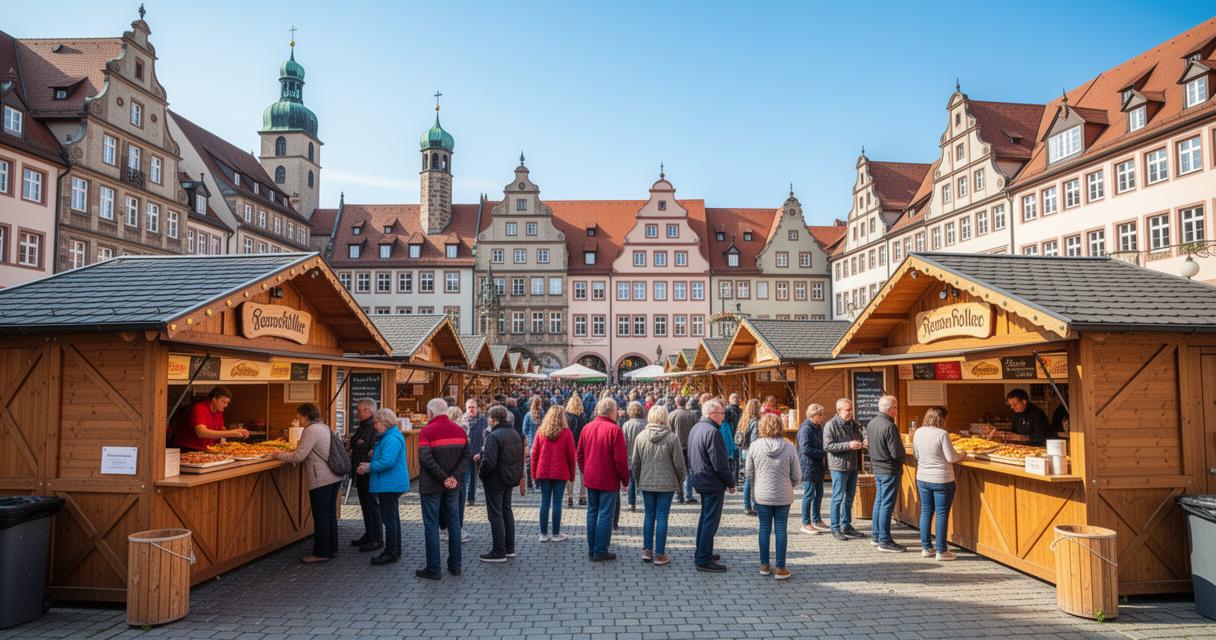
Germany is a country that rewards the curious traveller, not least when it comes to food. From bustling Berlin street corners to the lively squares of Munich, the quick-service dining scene offers extraordinary variety at prices that need not break the bank. Whether you are a seasoned visitor or planning your first trip, understanding how to eat well and economically is one of the most practical skills you can carry alongside your passport.
Key points
- Germany offers a diverse and affordable quick-service dining scene that rewards travelers who explore beyond tourist-heavy shopping centers.
- Iconic street foods like doner kebabs, bratwurst, and currywurst remain the most budget-friendly and authentic options for travelers.
- Independent family-run eateries often provide better value, fresher ingredients, and larger portions compared to large international fast-food chains.
- Taking advantage of ‘Mittagstisch’ (daily lunch menus) is an effective strategy to enjoy full, discounted meals in major cities like Berlin and Munich.
- Opting for local bakeries and neighborhood cafes instead of tourist-trap locations often yields both cost savings and a higher-quality dining experience.
- Germany’s rich culinary diversity, shaped by Turkish, Asian, and European influences, ensures that travelers have a wide variety of affordable food choices.
- Moving just a few streets away from main tourist attractions significantly increases the likelihood of finding reasonably priced, local-frequented establishments.
Uncovering top budget-friendly fast food options across german cities
Germany’s fast food landscape is genuinely diverse, shaped by decades of immigration, culinary curiosity, and a deeply practical attitude towards mealtimes. When exploring German cities, savvy travellers quickly discover that the most satisfying and affordable meals are rarely found inside gleaming shopping centres. Street-level vendors, independent cafés, and neighbourhood eateries often deliver remarkable quality at honest prices, making them a natural first port of call for anyone keeping a close eye on their travel budget in Germany.
Savouring Iconic Street Food Favourites from Kebab Outlets to Local Cafes
Few dishes define affordable urban eating in Germany quite like the doner kebab. Introduced and refined over generations, it has become a cornerstone of fast food culture, particularly in Berlin, where independent outlets compete fiercely on both quality and price. One of the most celebrated names in this sphere is Mustafa’s Gemüse Kebap, a Berlin institution renowned for its generously filled wraps and loyal queues stretching around the block. Alongside the classic doner, German street food encompasses a wealth of other options: bratwurst stands, currywurst kiosks, and small bakeries offering freshly baked rolls with savoury fillings are all reliable choices for the budget-conscious visitor. Local cafes, meanwhile, frequently serve warm daily specials that provide a proper sit-down meal for a very reasonable sum, especially at lunchtime.
Exploring Independent Eateries and Popular Chains for Proper Value
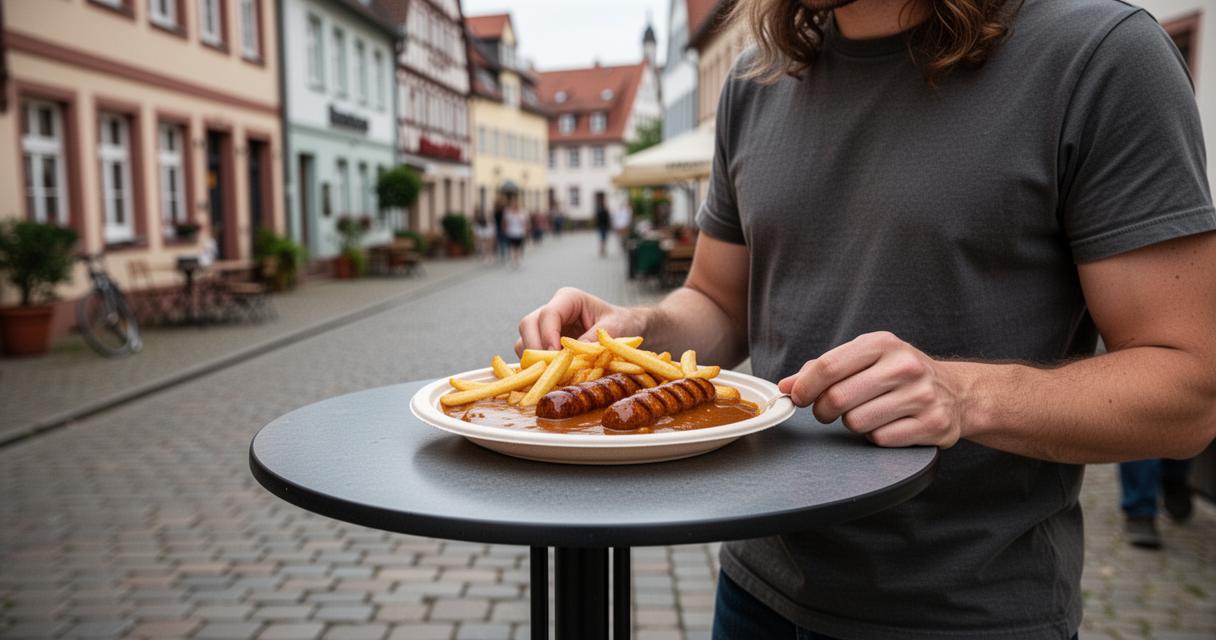
Beyond street stalls, Germany’s fast food restaurants range from familiar international chains to a thriving network of independents. Chains such as McDonald’s Corporation and Burger King are present in most major cities and offer predictable pricing with frequent promotional menus. However, it is often the independents (family-run kebab shops, Turkish restaurants, and snack bars) that deliver the most compelling value. These establishments tend to use fresher ingredients and offer more generous portions, making them a favourite among locals and well-travelled visitors alike. German cuisine also reveals itself in these smaller venues, with dishes like schnitzel rolls or hearty soups appearing alongside more internationally influenced fare.
Smart Dining Strategies to Cut Costs on German Quick-Service Meals
Eating economically in Germany is as much about timing and awareness as it is about choosing the right venue. The country’s catering and food service market is well-developed, and competition between restaurants, cafes, and bars means that deals and promotions are commonplace, particularly during peak dining hours in urban areas.
Navigating Daily Lunch Deals and Value Menus in Major Urban Areas
One of the most effective strategies for eating well on a budget is to take advantage of the Mittagstisch, or daily lunch menu, offered by countless restaurants and cafes across Germany. This typically includes a starter or soup, a main course, and sometimes a drink, all bundled together at a price noticeably lower than the à la carte equivalent. In cities like Berlin, Frankfurt, and Munich, these lunch deals are widely advertised on chalkboards outside establishments, making them easy to spot as you explore. Fast food chains also roll out value menus during quieter periods, and it pays to check in-store displays or apps for current promotions before ordering. Planning meals around these windows of opportunity can make a tangible difference to your overall travel budget in Germany.
Selecting high-quality meals at reasonable prices without overspending
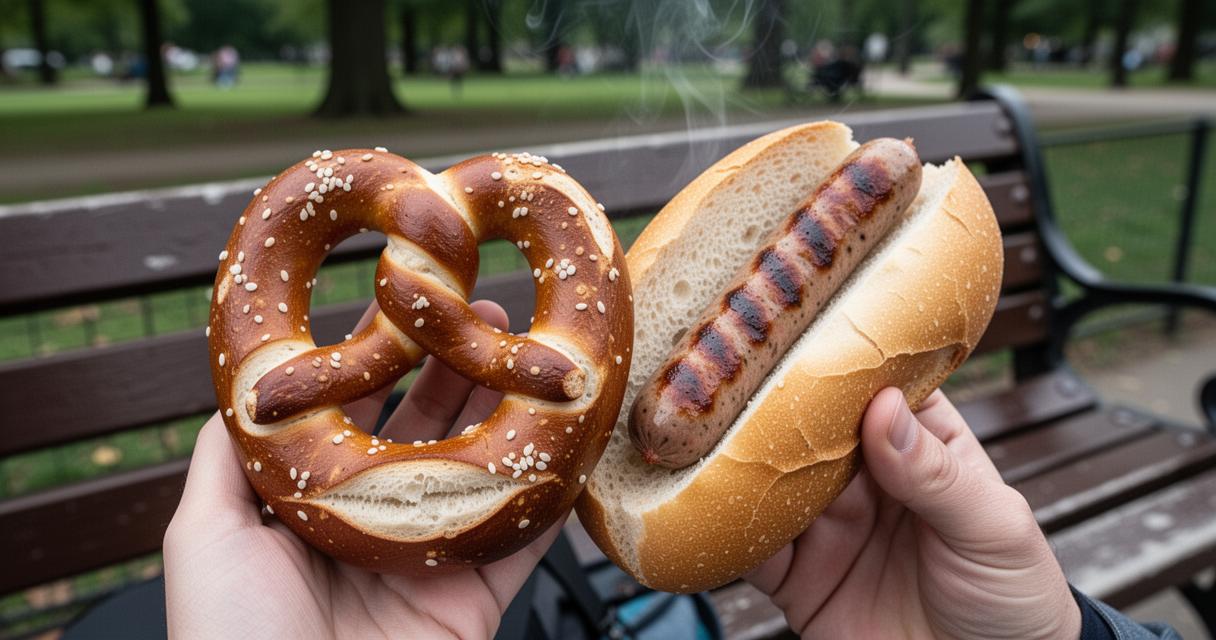
Quality need not be sacrificed in the pursuit of savings. Germany’s food culture places considerable emphasis on freshness and provenance, even within the quick-service sector, and many affordable eateries take genuine pride in their ingredients. Opting for German fast food staples (a currywurst with a bread roll, a freshly made döner, or a bakery pretzel) often means better value and a more authentic experience than defaulting to an international chain. It is also worth bearing in mind that sitting down inside a café rather than ordering at a kiosk can sometimes work out cheaper when a full meal with a drink is taken into account. Being flexible about the type of cuisine and willing to venture a little off the main tourist thoroughfares almost always yields better prices and more interesting eating.
Understanding the Growing Quick-Service Catering Market in Germany
Germany’s quick-service food sector is one of the most significant in Europe, and its continued expansion reflects shifting habits around convenience, diversity, and spending. Market research has consistently pointed to robust growth in this area, driven by urbanisation, busy working patterns, and an increasingly adventurous approach to everyday eating among German consumers. Understanding the broader market context helps travellers anticipate what to expect and where the best opportunities for economical dining tend to arise.
How diverse culinary influences shape everyday street food choices
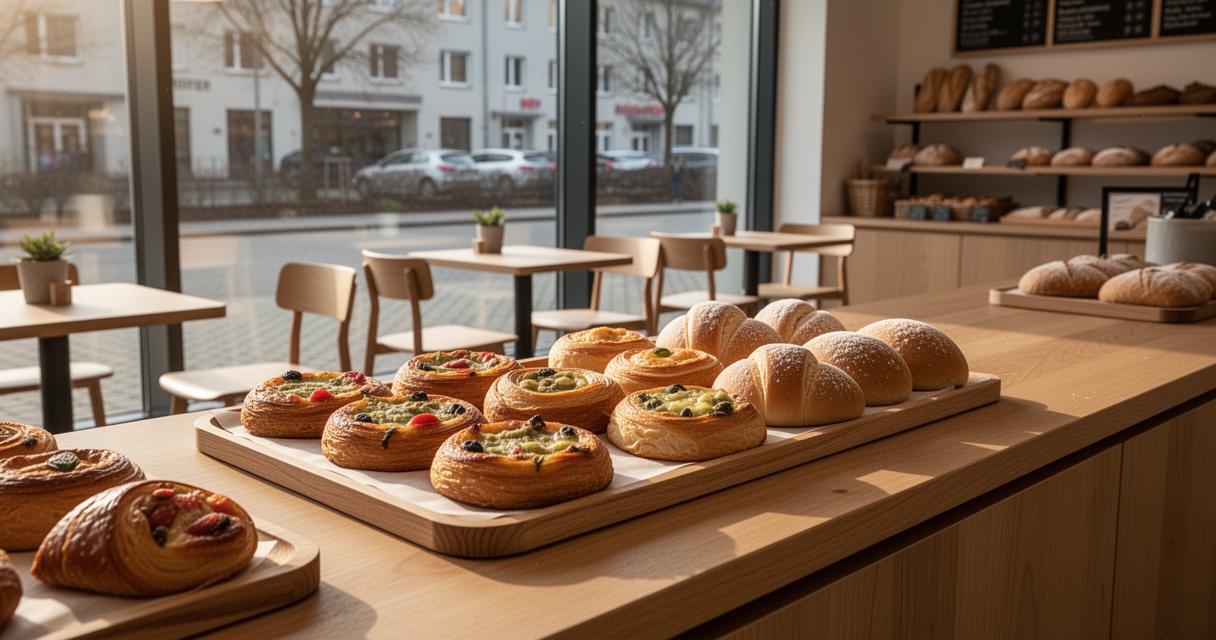
Germany’s position at the heart of Europe has made it a meeting point for culinary traditions from across the continent and beyond. Turkish, Italian, Greek, and Asian influences all feature prominently in the fast food and catering landscape, sitting comfortably alongside traditional German offerings. This diversity is particularly evident in larger cities, where the sheer number of food types on offer (from doner kebab to ramen, from pizza slices to falafel wraps) ensures that budget-minded diners are never short of choice. The catering market in Germany encompasses a vast range of operators, from large chains and franchise groups to the estimated many thousands of independent cafés, bars, and food service businesses operating across the country. This competitive environment generally keeps prices accessible, particularly in areas with high footfall from both locals and tourists.
Balancing Convenience and Expenditure Whilst Travelling in the Country
Travelling around Germany by public transport (which is extensive and reliable) makes it straightforward to access diverse dining options across different neighbourhoods and districts. Rather than eating close to major landmarks, where prices tend to be inflated, moving even a few streets away from the tourist trail often reveals better-value restaurants and snack bars frequented by residents. It is also worth remembering that Germany uses the Euro, and that tipping is customary at around fifteen per cent or by simply rounding up the bill, a modest addition that is appreciated but never mandatory in a casual fast food setting. For travellers monitoring their daily expenditure carefully, combining affordable street food with the occasional sit-down meal at a local café or independent restaurant strikes an effective balance between cost, convenience, and the pleasure of genuinely exploring German food culture.