Crete in May offers a delightful blend of warm Mediterranean sunshine, fewer crowds compared to peak summer months, and a landscape adorned with wildflowers and lush greenery. For travellers seeking an experience that balances leisure with environmental consciousness, this Greek island presents a compelling destination. The weather is inviting, the costs are manageable, and opportunities to engage with local culture and nature abound. This guide explores what makes Crete in May an excellent choice for those who wish to travel responsibly while enjoying all the island has to offer.
May Weather in Crete: What to Expect from the Climate
Temperature and Sunshine: Perfect Conditions for Sustainable Travel
May in Crete brings temperatures that typically range from 20 degrees Celsius to 25 degrees Celsius, creating ideal conditions for exploring the island without the intense heat of midsummer. The days are filled with sunshine, making it a wonderful time for outdoor activities, whether that involves hiking through gorges, visiting ancient ruins, or simply enjoying the natural beauty of the coastline. The mild evenings are equally pleasant, perfect for al fresco dining at local tavernas where traditional Cretan dishes such as Moussaka, Dakos, and Cretan salad can be savoured. These comfortable temperatures encourage visitors to engage with the environment in a more active and mindful way, reducing the need for energy-intensive cooling systems in accommodations and promoting walking or cycling over car travel when possible.
Sea temperature and rainfall: planning your eco-conscious beach visits
The sea temperature in May is warming nicely, making it suitable for swimming and various water-based activities. Rainfall during this month is generally minimal, which means that outdoor plans are less likely to be disrupted by weather. This dry and sunny climate allows travellers to plan beach visits with confidence, and it also supports the natural ecosystems that thrive along the Cretan coast. When visiting beaches, responsible travellers can contribute to coastal conservation by choosing less commercialised spots, respecting local wildlife, and ensuring that they leave no trace behind. Packing reusable water bottles, eco-friendly sun cream, and bags for any litter helps protect the pristine environments that make Crete so special. The favourable weather conditions in May also mean that the island's flora is at its most vibrant, with wildflowers carpeting hillsides and valleys, offering stunning backdrops for walks and photography.
Flight Prices and Booking Tips for Budget-Conscious Travellers
Finding Affordable Tickets to Crete in May
Flights from the United Kingdom to Crete in May typically range from 120 pounds to 250 pounds, depending on the departure airport, time of booking, and airline. Securing tickets well in advance often yields better deals, as prices tend to rise closer to the departure date. Budget-conscious travellers should consider flexible travel dates, as midweek flights can sometimes be cheaper than weekend departures. Additionally, subscribing to fare alerts from major airlines or using comparison websites can help identify the best offers. Choosing direct flights not only saves time but can also reduce the overall carbon footprint of the journey. For those who prioritise sustainability, some airlines offer carbon offset programmes, allowing passengers to contribute to environmental projects that counterbalance the emissions from their flight. Balancing affordability with environmental responsibility is increasingly possible as more travel options cater to eco-aware consumers.
Cancellation policies and flexible booking options
Understanding the cancellation and amendment policies of your flights and accommodation is essential, particularly in uncertain times. Many airlines and booking platforms now offer flexible booking options, which may include free cancellation within a certain period or the ability to change travel dates without hefty fees. Reviewing these terms before finalising your booking provides peace of mind and ensures that you are not caught out by unexpected changes in plans. Travellers should also consider purchasing travel insurance that covers a range of scenarios, from medical emergencies to trip cancellations. Being well-informed about these policies not only protects your investment but also allows you to plan your trip with greater confidence, knowing that you have options should circumstances change.
Sustainable Activities and Responsible Tourism in Crete
Eco-friendly beach experiences and coastal conservation
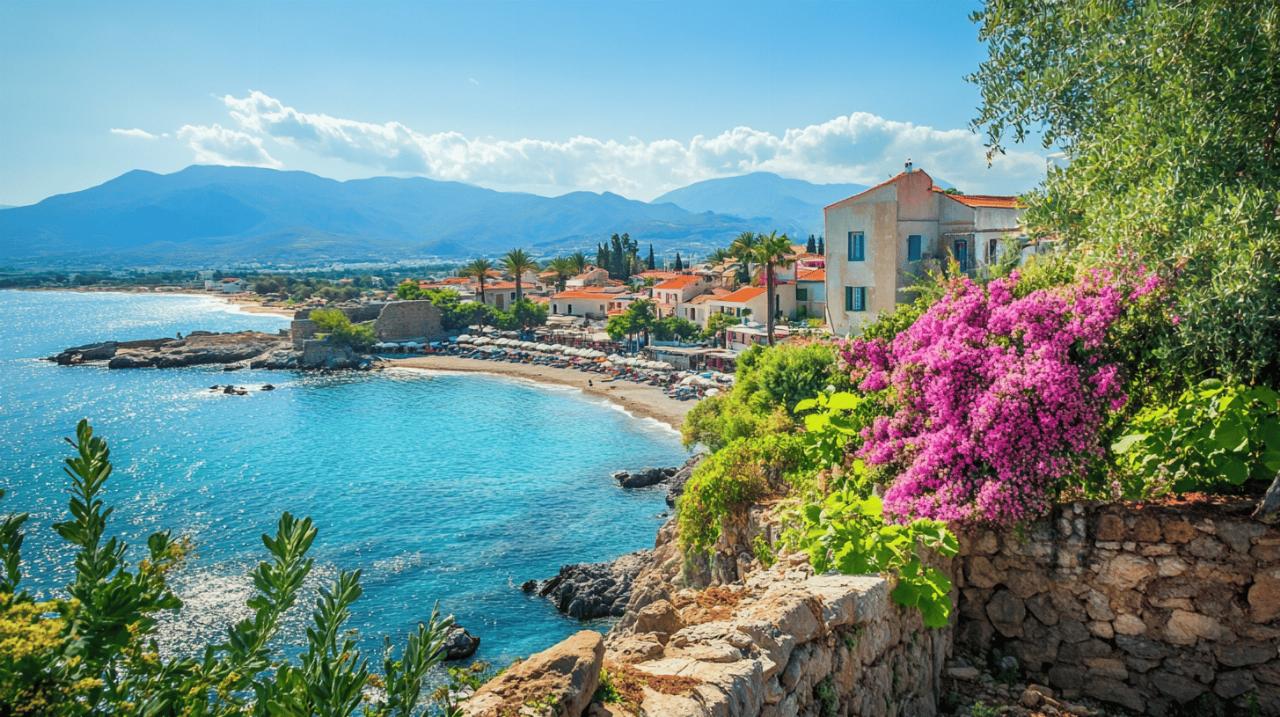 Crete boasts some of the most beautiful beaches in the Mediterranean, and May is an excellent time to enjoy them without the crowds that descend later in the summer. Responsible travellers can make a positive impact by selecting beaches that are less developed and by supporting local initiatives focused on coastal conservation. Simple actions such as avoiding single-use plastics, participating in beach clean-ups, and respecting protected areas contribute to the preservation of these natural treasures. Some beaches in Crete are home to nesting sites for sea turtles, and visitors should be mindful of marked areas and guidelines provided by conservation organisations. By engaging with the environment in a respectful manner, travellers help ensure that these stunning coastal landscapes remain unspoiled for future generations.
Exploring historical sites and supporting local communities
Crete is steeped in history, with ancient ruins and archaeological sites such as Knossos offering fascinating insights into the island's past. Visiting these historical sites in May means encountering fewer tourists, which allows for a more contemplative and enjoyable experience. Entry fees for these attractions typically range from 10 pounds to 25 pounds per person, and the money spent on tickets directly supports the maintenance and preservation of these culturally significant locations. Beyond the ancient sites, Crete's towns and villages offer opportunities to engage with local communities in meaningful ways. Shopping at local markets, dining at family-run tavernas, and purchasing handmade crafts all contribute to the local economy and provide a more authentic travel experience. Hiking the Samaria Gorge, one of Europe's longest and most spectacular gorges, is another activity that combines physical challenge with natural beauty, and it encourages a deeper appreciation of the island's diverse landscapes.
Practical Tips for a Responsible Holiday in Crete
Sustainable transport options: car hire and public transport
Getting around Crete can be done in several ways, and the choice of transport has implications for both convenience and environmental impact. Car hire is a popular option, with daily rates typically ranging from 20 pounds to 40 pounds. Renting a vehicle provides the freedom to explore the island at your own pace, reaching remote beaches, mountain villages, and hidden trails that are not easily accessible by public transport. However, responsible travellers should consider the environmental footprint of driving and look for car rental companies that offer fuel-efficient or hybrid vehicles. Alternatively, Crete's bus network connects major towns and popular sites, with fares ranging from 2 pounds to 10 pounds. Using public transport not only reduces emissions but also offers a chance to interact with locals and experience the island from a different perspective. Cycling is another eco-friendly option for shorter distances, and many areas of Crete have scenic routes suitable for both leisure and more challenging rides.
Supporting local economy through ethical dining and tipping practices
Dining in Crete is a highlight of any visit, with local tavernas serving generous portions of traditional dishes made from fresh, locally sourced ingredients. Meals at these establishments typically cost around 10 pounds to 15 pounds per person, making it an affordable way to enjoy authentic Cretan cuisine. Dishes such as Moussaka, Cretan salad, fried snails known as Chochlioi boubouristi, and Dakos are must-tries that showcase the island's culinary heritage. Supporting local eateries rather than international chains ensures that your spending benefits the community directly. Tipping is customary in Greece, and leaving a few euros for good service is both polite and appreciated. Being respectful of local customs, such as greeting staff warmly and showing appreciation for the food and hospitality, enhances the experience for both visitors and hosts. Engaging with Crete in this manner fosters a deeper connection to the place and its people, making your holiday not just a getaway but a meaningful exchange.
A seven-day trip for two people to Crete in May can cost between 1,200 pounds and 1,800 pounds, covering flights, mid-range accommodation, meals, transport, and activities. Budget travellers can find rooms in family-run guesthouses for around 30 pounds a night, whilst those seeking more luxury can expect to pay between 150 pounds and 300 pounds per night. Packing light clothing, swimwear, comfortable shoes, and a light jacket for cooler evenings ensures you are prepared for the island's variable conditions. With its combination of favourable weather, manageable costs, and abundant opportunities for eco-conscious exploration, Crete in May is an ideal destination for travellers who wish to enjoy a memorable holiday whilst minimising their environmental impact and supporting local communities.