Capturing memorable moments whilst exploring the world has become increasingly accessible thanks to remarkable advancements in compact camera technology. These ingenious devices combine impressive image quality with portability, allowing photographers to document their journeys without the burden of bulky equipment. As we navigate through 2025, the market offers an exciting array of options that cater to various budgets and creative aspirations, ensuring that every traveller can find their perfect photographic companion.
Top-rated pocket cameras revolutionising travel photography
The landscape of travel photography has been transformed by a new generation of compact cameras that refuse to compromise on performance despite their diminutive size. These sophisticated devices pack professional-grade features into designs that slip effortlessly into jacket pockets or small bags, making them ideal for spontaneous moments and extended adventures alike. The convergence of advanced sensor technology, refined autofocus systems, and intuitive controls has elevated these cameras far beyond what smartphones can achieve, offering photographers genuine creative control over their imagery.
Premium models offering professional features in portable designs
At the pinnacle of compact camera excellence stands the Fujifilm X100VI, which has earned recognition as the best overall choice for travel photography. This remarkable camera features a forty-megapixel APS-C sensor paired with a fixed twenty-three millimetre f/2 lens, equivalent to thirty-five millimetres in full-frame terms. Weighing approximately five hundred and twenty-one grammes, it strikes an ideal balance between substance and portability whilst delivering exceptional image quality, responsive autofocus, and intuitive handling. The battery provides roughly four hundred and fifty shots per charge, ensuring you won't miss crucial moments during day-long expeditions. For those seeking the ultimate in image quality and willing to invest accordingly, the Leica Q3 represents the photographer's choice with its stunning sixty-megapixel sensor, though this premium option commands a significantly higher price point. The Leica D-Lux 8 occupies an interesting middle ground, offering a seventeen-megapixel Four Thirds sensor with a versatile twenty-four to seventy-five millimetre equivalent f/1.7-2.8 zoom lens, all contained within a body weighing around four hundred and three grammes and priced at approximately one thousand five hundred and ninety-five pounds. Those with an appreciation for classic photography might also explore Kodak analog cameras, which continue to attract enthusiasts who value the tangible, deliberate nature of film photography alongside their digital equipment.
Budget-friendly options that don't compromise on quality
Exceptional travel photography needn't require an extravagant investment, as several compact cameras deliver outstanding results at more accessible price points. The Ricoh GRIII remains a capable performer for budget-conscious photographers, featuring a twenty-four-megapixel APS-C sensor and a fixed eighteen-point-three millimetre f/2.8 lens, equivalent to twenty-eight millimetres in full-frame terms. This remarkably compact camera weighs merely two hundred and sixty-two grammes, making it genuinely pocketable, though its battery life of approximately two hundred shots means carrying a spare would be prudent. For those who prefer a slightly different focal length, the Ricoh GRIIIx offers similar specifications but with a twenty-six-point-one millimetre f/2.8 lens, equivalent to forty millimetres, which proves particularly beneficial for portrait work and street photography. The Canon PowerShot G7X Mark II or Mark III represents another excellent budget option, especially favoured by content creators for its video capabilities whilst remaining compact and priced around seven hundred and fifty pounds. These cameras demonstrate that outstanding image quality and practical features remain accessible to photographers at various financial comfort levels.
Essential features to consider when choosing your travel companion
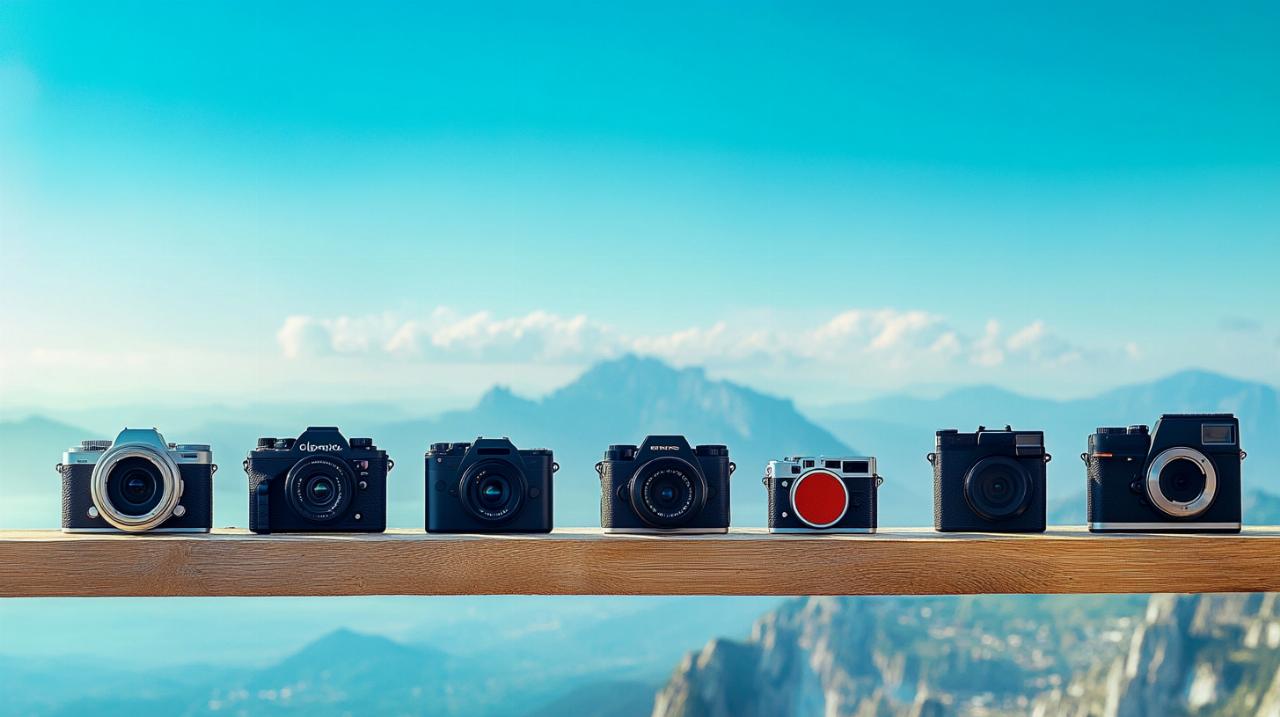
Selecting the ideal compact camera for your travels requires careful consideration of features that directly impact your ability to capture compelling images across diverse environments and situations. Beyond megapixel counts and lens specifications, several fundamental characteristics determine whether a camera will truly serve as a reliable companion throughout your journeys. Understanding these elements helps ensure your investment delivers satisfying results regardless of the challenges your adventures present.
Image stabilisation and low-light performance for diverse conditions
Travel photography inevitably involves shooting in unpredictable lighting conditions, from dimly lit interiors to twilight cityscapes and challenging weather situations. Superior low-light performance separates truly capable compact cameras from mere smartphone alternatives, allowing photographers to capture clean images with minimal noise even when natural light becomes scarce. Modern compact cameras with larger APS-C sensors demonstrate remarkable capabilities in these demanding situations, producing images that retain detail and colour accuracy where smaller sensors would struggle. Image stabilisation technology proves equally crucial, compensating for the inevitable camera shake that occurs when shooting handheld in low light or when using longer focal lengths. The Ricoh GR IV exemplifies excellence in this regard, combining its twenty-six-megapixel APS-C sensor with effective stabilisation in a truly pocket-sized form factor weighing just two hundred and sixty-two grammes. Meanwhile, the Sony RX100 VII offers tremendous flexibility with its twenty-four to two hundred millimetre equivalent zoom lens spanning f/2.8 to f/4.5, backed by reliable stabilisation that ensures sharp results across its impressive range. The twenty-megapixel one-inch sensor and three hundred and two gramme weight make it remarkably versatile, though the battery life of approximately two hundred and sixty shots suggests carrying spares for extended shooting sessions.
Battery life and connectivity options for extended adventures
Few experiences prove more frustrating than having your camera exhaust its power reserves just as the golden hour arrives or when you encounter an unexpected photographic opportunity. Battery performance varies considerably across compact camera models, making it a critical consideration for travel photographers who may spend entire days away from charging facilities. Cameras offering four hundred shots or more per charge provide greater peace of mind, though carrying spare batteries remains advisable for serious travel photography. Weight considerations become particularly relevant when factoring in additional batteries, memory cards, and essential accessories. Connectivity features have evolved significantly, with modern compact cameras offering wireless transfer capabilities that allow immediate sharing of images to smartphones or tablets, proving invaluable for travellers who wish to share their experiences promptly or back up precious photographs to cloud storage. Some models incorporate advanced autofocus systems that track subjects with remarkable tenacity, ensuring sharp focus even when photographing moving subjects or working in challenging compositional situations. The combination of responsive autofocus, adequate battery life, and practical connectivity transforms a compact camera from merely capable equipment into a genuinely reliable travel companion that inspires confidence regardless of the photographic challenges your adventures present.