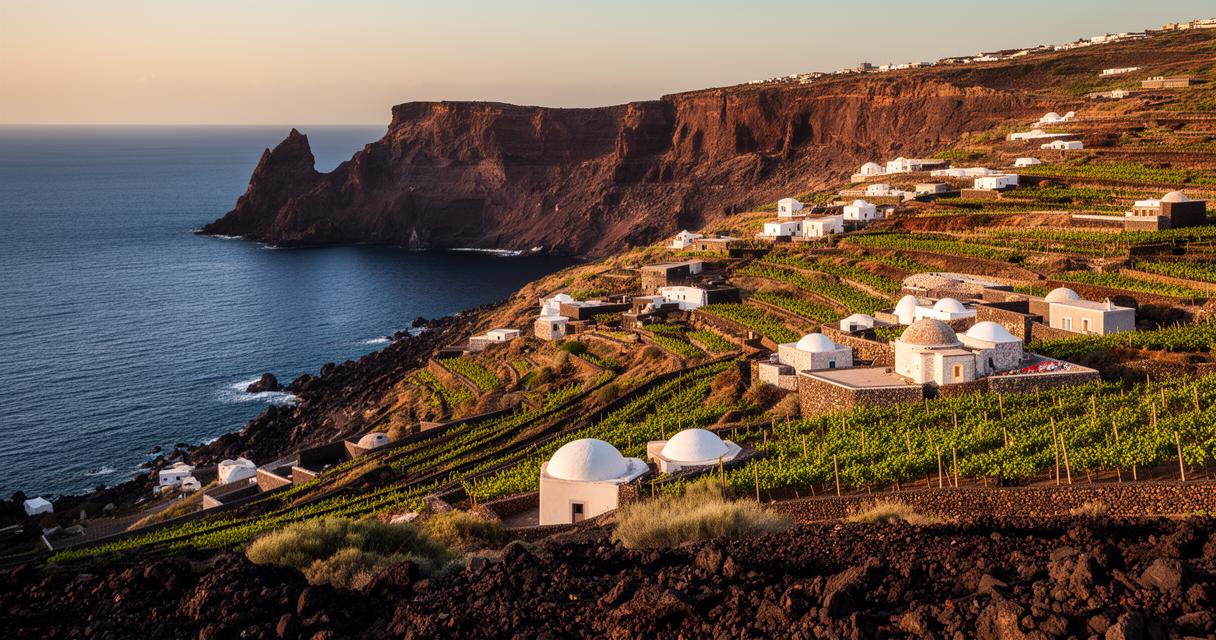
Rising from the deep blue waters between Sicily and Tunisia, Pantelleria has long been a place where cultures meet and traditions endure. This volcanic island, with its rugged cliffs and terraced vineyards, is not only known for its natural beauty but also for a rich tapestry of folk customs that have been passed down through generations. From ancient melodies echoing across stone-walled dammusi to lively festivals celebrating the harvest and the sea, Pantelleria's cultural life offers a fascinating glimpse into a community shaped by centuries of Mediterranean exchange.
At a glance
- Pantelleria’s cultural identity is shaped by its location at the crossroads of the Mediterranean, blending Sicilian, North African, and Arab influences.
- Traditional music and dance serve as living records of the island's history, frequently passed down through generations during communal gatherings.
- Agricultural festivals celebrating the harvest of capers and grapes highlight the community's deep connection to the island's unique volcanic landscape.
- Maritime traditions and seasonal celebrations act as vital expressions of resilience and gratitude for the resources provided by the surrounding sea.
- The island’s local customs reflect centuries of cultural layering from Arab, Norman, and Spanish historical influences.
- Contemporary efforts to preserve folk heritage ensure that younger generations remain engaged with their cultural roots while sharing these traditions with visitors.
The Living Heritage: Traditional Music and Dance of Pantelleria
Ancient melodies shaped by mediterranean crossroads
The musical traditions of Pantelleria carry the unmistakable imprint of the many peoples who have passed through this small but strategically positioned island. Folk songs here often blend Sicilian melodic structures with rhythms and instrumentation that hint at North African and Arab origins, a reminder of the island's proximity to Tunisia and its long history of cultural exchange. Traditional instruments such as accordions, tambourines and stringed instruments accompany voices that recount tales of fishermen, farmers and lovers, with lyrics frequently sung in the local dialect. These songs are not simply performances but living records of the island's collective memory, often passed informally from elders to younger generations during family gatherings and communal celebrations.
Folk dance traditions and community gatherings
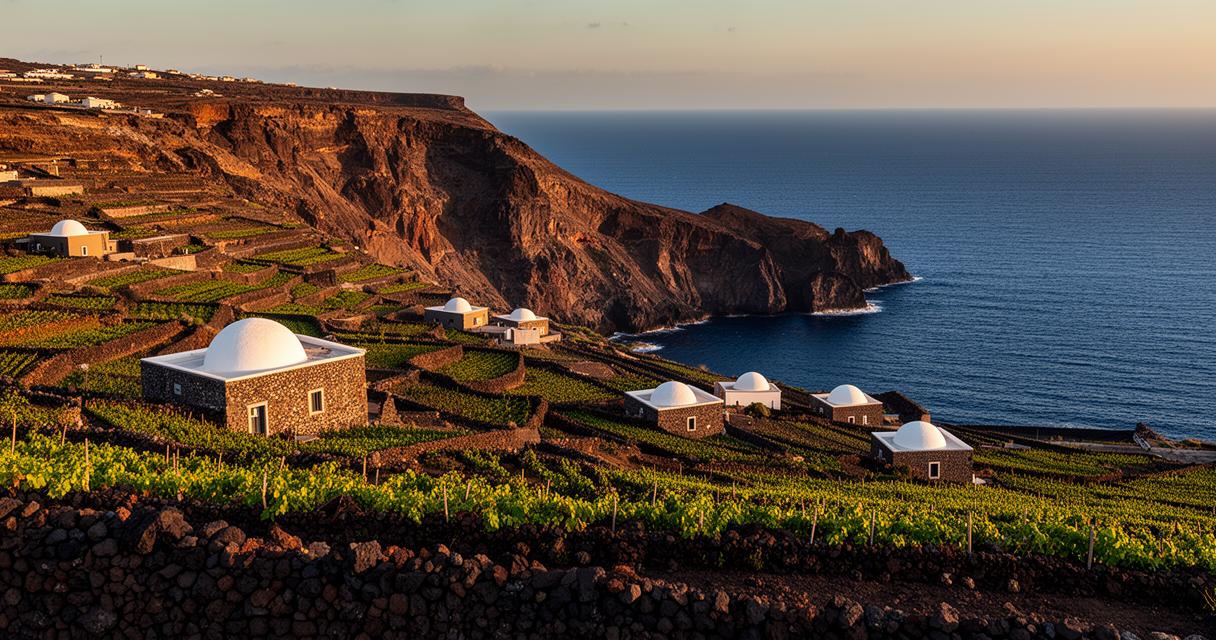
Dance remains an essential thread in the social fabric of Pantelleria, with communal gatherings providing the perfect setting for traditional steps and circular formations reminiscent of broader Sicilian folk dance customs. These dances are typically performed during village feasts, weddings and seasonal celebrations, where entire communities come together regardless of age. The atmosphere is one of warmth and inclusion, with dancing often continuing late into the evening accompanied by live music and shared food. Such gatherings serve a dual purpose: they entertain, but they also reinforce a sense of belonging among residents who have long relied on cooperation and solidarity to survive the island's demanding volcanic terrain and unpredictable weather.
Seasonal celebrations: festivals honouring land and sea
The caper harvest festival and agricultural rituals
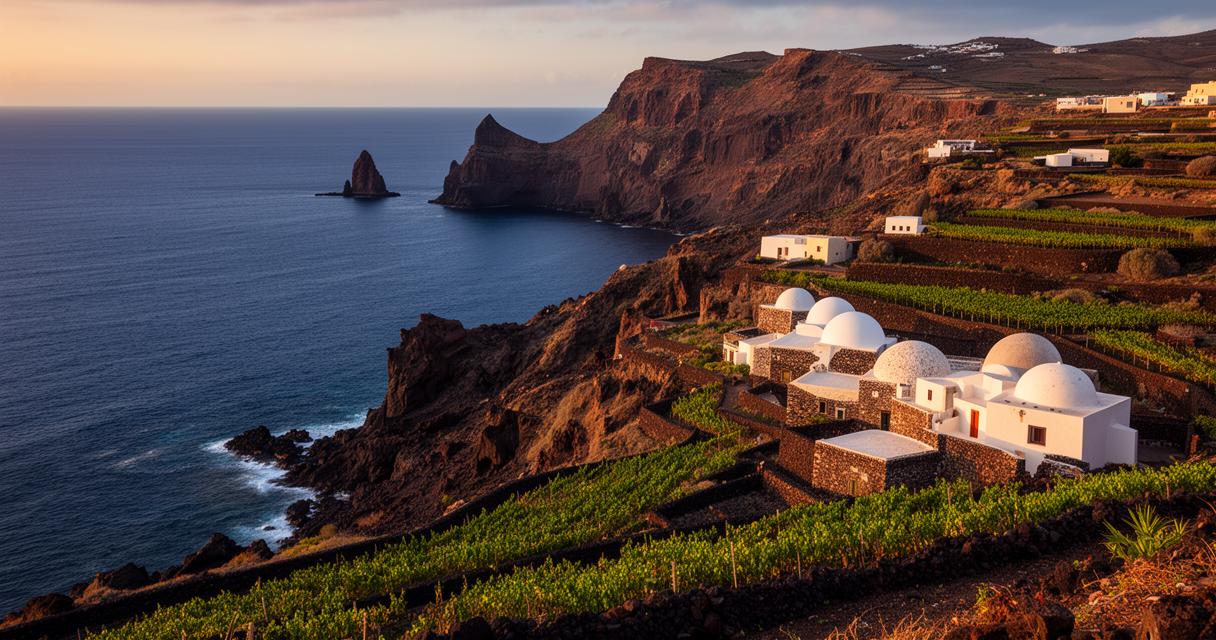
Agriculture has always played a central role in Pantelleria's identity, and nowhere is this more evident than in the festivities surrounding the caper harvest. Capers, alongside the celebrated Passito wine crafted from moscato grapes, represent two of the island's most treasured exports, and their cultivation is marked by rituals that blend hard labour with joyful celebration. During harvest season, families and neighbours join together to pick the small green buds by hand, a painstaking process that has barely changed over generations. Once the work is done, communities often gather for shared meals featuring local produce, where the fruits of their labour are toasted with glasses of the island's distinctive sweet wine. These agricultural rituals are more than mere tradition; they represent a deep respect for the land and its unique volcanic soil, which gives Pantelleria's products their distinctive character.
Maritime festivities and fishing community traditions
Given its position surrounded by the Mediterranean Sea, it is little surprise that maritime life features prominently in Pantelleria's festival calendar. Fishing communities have historically organised celebrations to honour the sea, seeking blessings for safe voyages and bountiful catches. These events often include processions along the coastline, boats adorned with flowers and flags, and communal feasts centred around freshly caught fish. Such traditions reflect the profound relationship between islanders and the waters that have sustained them for centuries, whilst also serving as an opportunity for the community to gather, celebrate and give thanks for the resources the sea provides. The strong winds that regularly sweep across the island have shaped not only its landscape but also the rhythms of daily life, making these maritime festivities a vital expression of resilience and gratitude.
Cultural fusion: how centuries of influence shaped pantelleria's festivities
Arab, Norman, and Spanish Legacies in Local Celebrations
Pantelleria's position at the crossroads of the Mediterranean has meant that it has been touched by a remarkable succession of civilisations, each leaving its mark on local customs. Arab influence is visible in architectural styles, agricultural techniques and even culinary traditions, whilst Norman and Spanish rule introduced further layers of cultural complexity that still resonate today. Many local festivals subtly reflect this blended heritage, whether through the spices used in traditional dishes served during celebrations or the decorative motifs seen in festival attire. This layering of influences has created a distinctive island culture, one that cannot be easily categorised as purely Italian or Sicilian but instead stands as something uniquely Pantescan, shaped by centuries of contact between different peoples and traditions.
Contemporary Festival Life and Preservation of Island Identity
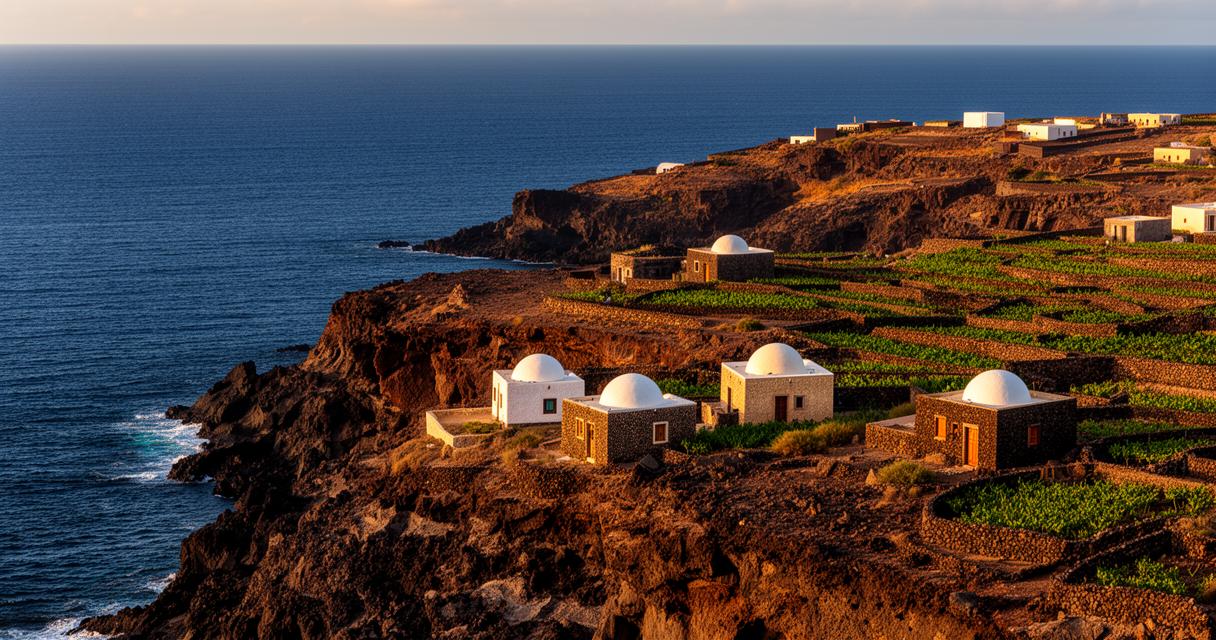
In more recent times, Pantelleria's residents have made concerted efforts to preserve and celebrate their cultural heritage, recognising its importance not only for community identity but also for the island's growing appeal as a travel destination. Contemporary festivals often blend traditional elements with modern touches, attracting visitors keen to experience authentic island life alongside locals who continue to uphold longstanding customs. These events provide vital opportunities for younger generations to engage with their heritage, ensuring that folk songs, dances and agricultural rituals are not lost to time. As Pantelleria continues to attract those seeking a tranquil Mediterranean escape, its festivals serve as a bridge between past and present, offering a genuine and immersive encounter with a culture forged through centuries of resilience, adaptation and community spirit.