Few cities on earth conjure the same immediate sense of style and romance as the French capital. Paris has spent centuries cultivating a reputation that stretches far beyond its cobbled streets and grand boulevards, becoming synonymous with elegance, artistry, and an unmatched sense of cultural authority. From the ateliers tucked along the Seine to the storied houses that line its most fashionable avenues, this is a city where history and glamour are woven together at every turn.
At a glance
- Paris has evolved over centuries from the Roman settlement of Lutetia into a global hub of craftsmanship, art, and cultural authority.
- The development of French haute couture was significantly influenced by royal patronage under Louis XIV and later formalized by figures like Charles Frederick Worth.
- Iconic landmarks such as the Eiffel Tower and Notre Dame Cathedral serve as enduring symbols of French resilience, heritage, and architectural innovation.
- Beyond major tourist sites, diverse neighborhoods like Le Marais offer a unique blend of historical charm, bohemian culture, and avant-garde fashion.
- The Seine River acts as both a romantic cultural artery and a focal point for modern environmental conservation efforts within the city.
- Paris maintains its status as the world's fashion capital through legendary institutions and designers like Chanel, Dior, and Yves Saint Laurent, who redefined global style.
- The contemporary Parisian fashion industry is increasingly prioritizing sustainability by incorporating recycled materials into high-end collections.
The Historical Tapestry of Paris: Centuries of Cultural Evolution
From roman lutetia to medieval splendour: the city's ancient foundations
Long before it became the world's undisputed fashion capital, Paris existed as the modest Roman settlement of Lutetia, perched along the banks of the river that would eventually define its character. Over the medieval centuries, the city grew into a hub of trade, scholarship, and craftsmanship, laying the groundwork for the artisanal traditions that would later flourish. Guilds of weavers, tailors, and jewellers established Paris as a place where skilled handiwork was prized, setting a foundation that would prove essential once fashion itself became a matter of national prestige.
The Belle Époque and Modern Era: Paris as a Beacon of Art and Revolution
It was under the reign of Louis XIV that fashion truly became a deliberate instrument of power. The court at Versailles was transformed into a dazzling stage where clothing signalled status, and the king actively encouraged artisans to innovate, using sumptuous dress as a tool of cultural dominance across Europe. This royal patronage planted the seeds for what would become haute couture. Centuries later, figures such as Charles Frederick Worth would formalise these traditions, earning recognition as the father of modern haute couture and establishing the template for the designer-led fashion houses that followed. The Belle Époque brought further transformation, as art, revolution, and creativity intertwined, and Paris solidified its identity as a city unafraid to reinvent itself while honouring its past.
Iconic Landmarks and Architectural Marvels That Shape the Parisian Skyline
The Eiffel Tower and Notre Dame Cathedral: Symbols of French Heritage
No discussion of Paris would be complete without its towering icons. The Eiffel Tower remains a universal symbol of French ingenuity, while Notre Dame Cathedral continues to represent centuries of architectural devotion and resilience. These landmarks have witnessed the city through war, reconstruction, and cultural rebirth, standing as constant reminders of Parisian endurance. The impact of the World Wars left visible scars on the capital, yet Paris rebuilt itself with characteristic determination, restoring its monuments and reaffirming its place as a global centre of culture and creativity.
Hidden Gems and Historic Monuments: Beyond the Tourist Trail
Beyond the postcard views, Paris rewards those willing to wander into its quieter corners. Institutions such as the National Library preserve centuries of literary and cultural heritage, offering a scholarly counterpoint to the city's glittering boutiques. Meanwhile, neighbourhoods like Le Marais reveal a bohemian charm, filled with independent boutiques and avant-garde fashion that contrasts beautifully with the polished luxury found elsewhere. The population of Paris, diverse and ever-evolving, breathes life into these districts, ensuring that history and modernity coexist rather than compete.
The Seine River: Lifeblood and Soul of the French Capital
Historic significance and romantic seine-side quarters
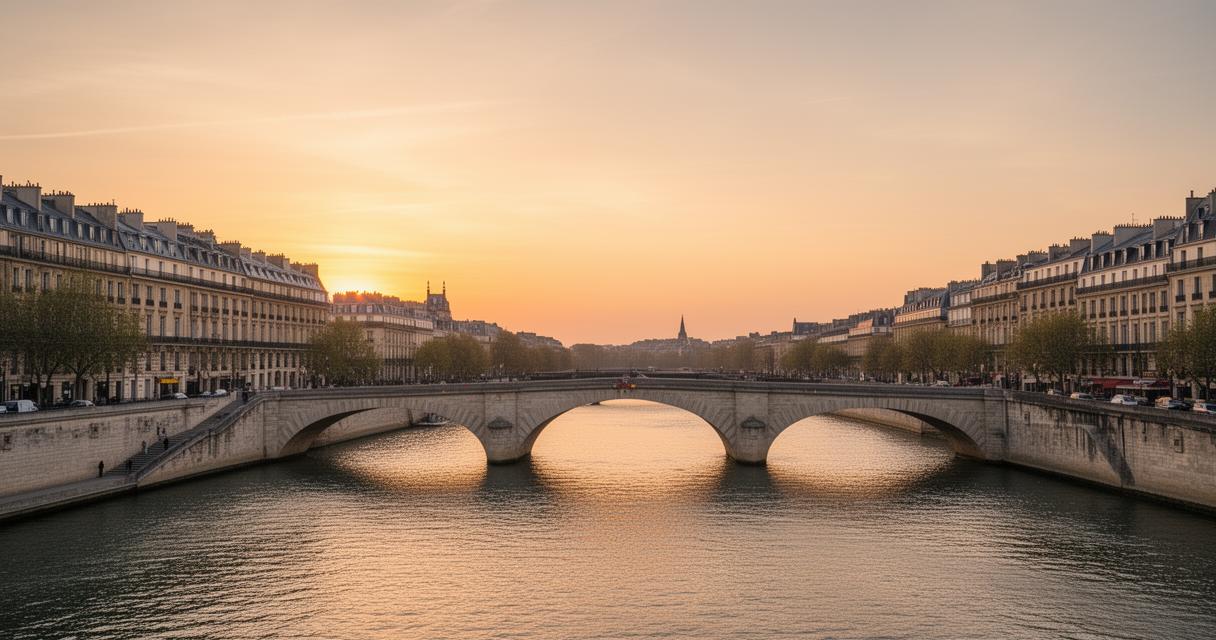
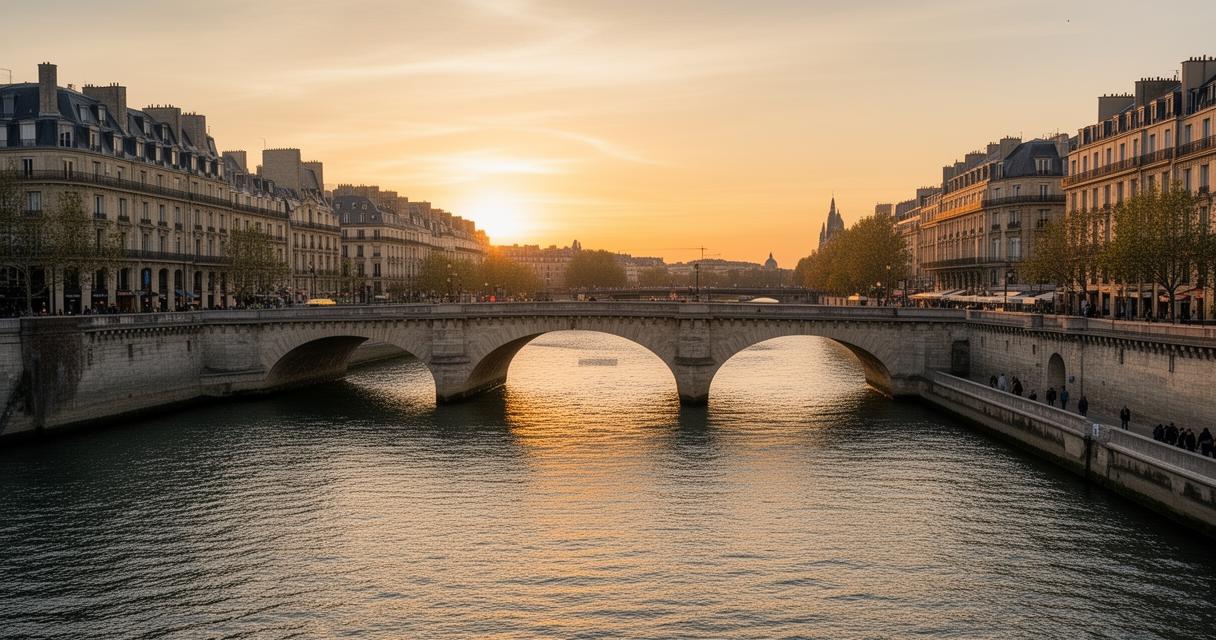
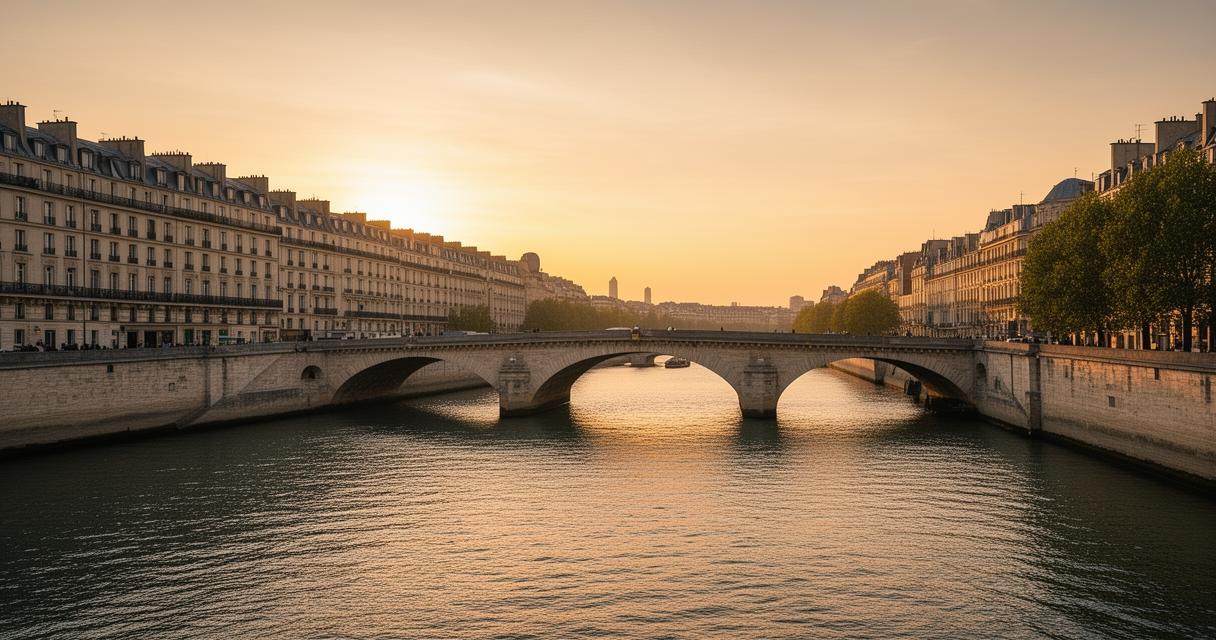
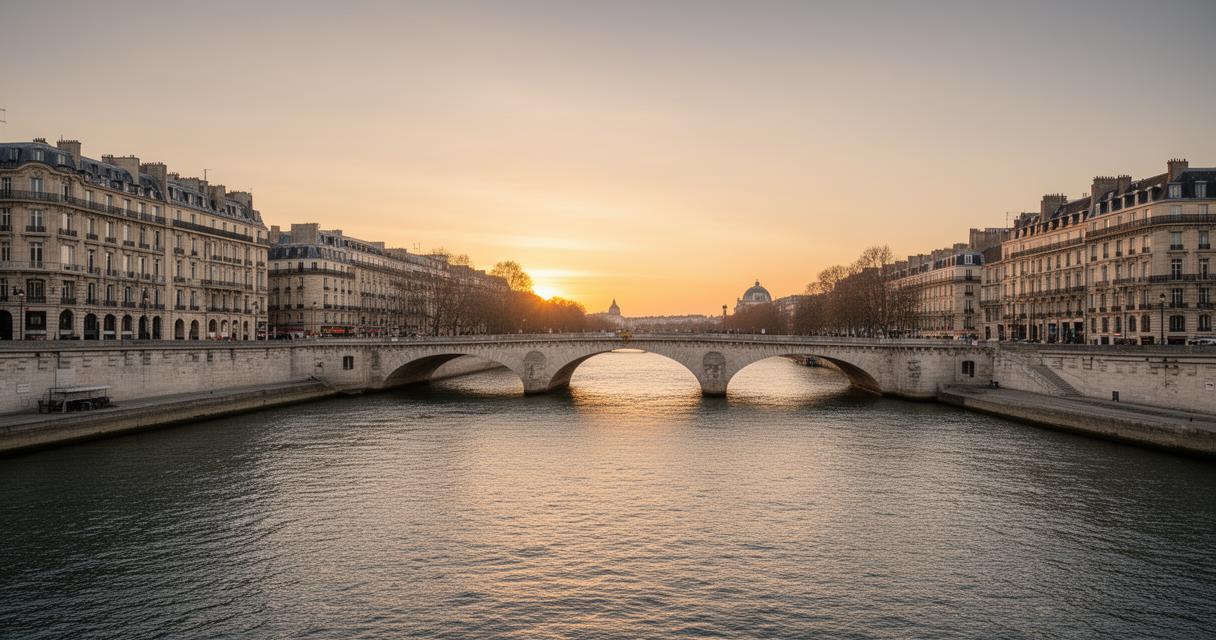
The Seine has always been more than a scenic backdrop; it is the artery that has sustained Parisian life for centuries. Its banks host some of the city's most romantic quarters, where couples stroll past booksellers and cafés that have hardly changed in decades. This waterway has inspired countless artists, writers, and designers, its reflective waters echoing the same elegance found in the collections shown each season during Paris Fashion Week.
Environmental Challenges and Modern Conservation Efforts Along the Waterway
Yet the Seine, like the city it nourishes, faces modern pressures. Concerns around gas emissions and pollution have prompted renewed conservation efforts, with authorities working to restore the river's ecological health while preserving its historic charm. This environmental awareness mirrors a broader shift within the fashion industry itself, where sustainability has become impossible to ignore. Many houses now incorporate recycled fabrics, with some collections featuring up to seventy percent sustainable materials, reflecting a growing commitment to responsible creativity.
Paris as the Enduring Fashion Capital
Walking through districts such as Saint-Honoré, home to luxury names like Hermès and Balenciaga, or along the Champs-Élysées, famous for iconic brands including Louis Vuitton, it becomes clear why Paris retains its crown. Avenue Montaigne houses major couture institutions such as Dior and Chanel, while the Left Bank offers boutiques that gracefully blend tradition with contemporary design. Each district tells its own story, yet together they form a cohesive narrative of style that has evolved since the days of Worth's ateliers.
The influence of individual designers cannot be overstated. Coco Chanel redefined femininity with comfortable yet elegant silhouettes, immortalising the little black dress as a wardrobe essential. Christian Dior followed with his transformative New Look in 1947, celebrating voluminous skirts and cinched waists that restored glamour after wartime austerity. Later, Yves Saint Laurent revolutionised the industry further by introducing ready-to-wear collections and the now-iconic women's tuxedo, challenging traditional notions of gendered fashion.
Today, Paris Fashion Week continues this legacy, drawing thousands of enthusiasts annually to witness spring summer and fall winter collections unveiled at venues including the Grand Palais and Palais de Tokyo. The 2025 edition, running from September 29 to October 7, promises interactive exhibitions designed to engage even younger visitors, while the Haute Couture Week for Fall Winter 2025 to 2026 will showcase the artistry of houses such as Givenchy alongside established giants like Dior and Chanel. Initiatives such as the UNIQUES Festival further demonstrate the industry's commitment to inclusivity, nurturing young talent and promoting equal opportunities within an industry historically defined by exclusivity.
For visitors seeking to immerse themselves fully, accommodations such as Hotel Vernet provide a comfortable base near these fashion hotspots, allowing easy access to the luxury boutiques and cultural institutions that define the city. Families, too, find plenty to explore, with trendy shops scattered throughout Marais and the Champs-Élysées catering to all ages. Ultimately, Paris remains a living testament to centuries of artistic ambition, where history, architecture, and fashion intertwine to create a city unlike any other.