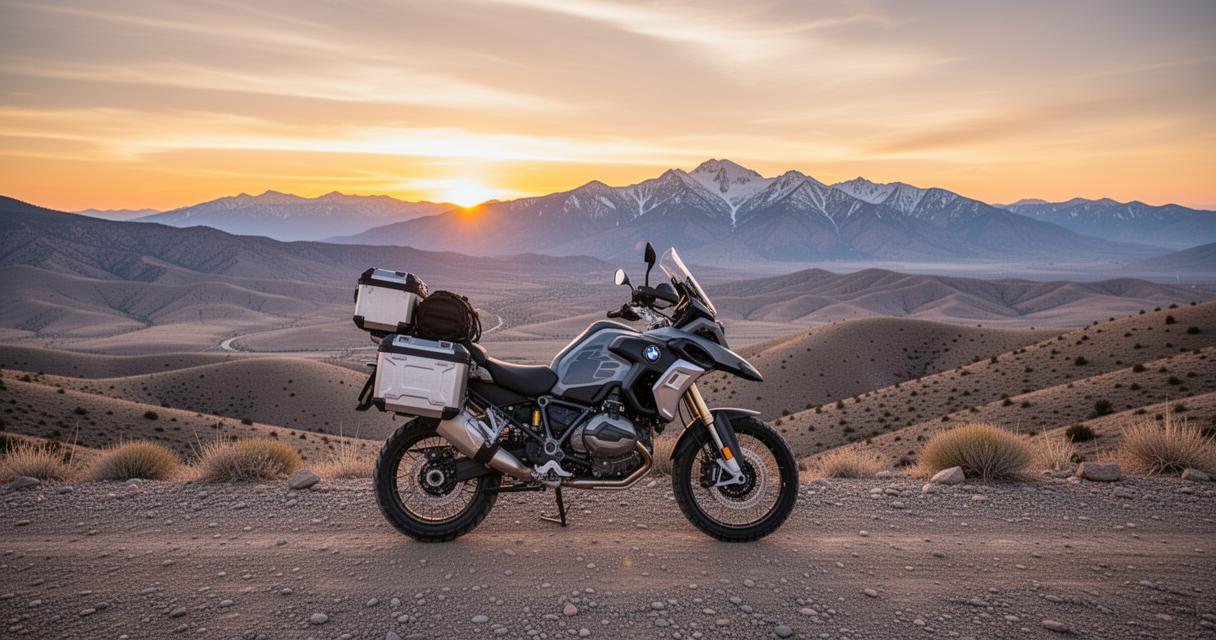
There is something irresistible about pointing a motorbike towards the horizon and simply riding until the tarmac runs out. Across the United States, a thriving culture of adventure motorcycling has grown up around backcountry routes, rugged trails, and long-distance touring, giving riders of every skill level the chance to discover landscapes that few travellers ever see from the saddle.
In brief
- The United States offers a diverse range of adventure motorcycling experiences, from desert trails in Arizona to forested mountain passes in Idaho.
- Backcountry Discovery Routes (BDR) provide a comprehensive network of mapped trails, ranging from long-distance expeditions to shorter, more accessible BDR-X options.
- Tour companies like Moto Trails USA offer various services, including guided itineraries, bike rentals, and support vehicles, to help riders navigate remote backcountry terrain.
- Safety and proper preparation are critical, with experts recommending off-road training schools and the use of satellite communication devices in areas without phone signal.
- Choosing the right season is essential for a successful trip, as riders should avoid peak desert heat and wait for mountain snow to clear.
- The adventure motorcycling community relies on ongoing support and donations to maintain these trails, ensuring they remain open for future exploration.
Epic routes and landscapes worth exploring
The backbone of American off-road touring is arguably the network created by Backcountry Discovery Routes, widely known as BDR. These mapped trails wind through some of the most dramatic terrain the country has to offer, from the high deserts of Nevada to the forested ridgelines of Idaho. Alongside the well-established BDR Routes covering states such as Arizona, California, Colorado, Montana, New Mexico, Oregon, Utah, Washington and Wyoming, there is also a newer collection called BDR-X Routes, which includes shorter and more accessible options like the Adirondacks, Big Bend, Black Hills, Hells Canyon, Lost Coast, Ozarks and Red Desert. Plans for Canadian Discovery Routes are also in development, hinting at even more territory to explore in the years ahead. For riders keen to sample a taste of these journeys without committing to a full expedition, a bite-size BDR map collection offers a handy introduction.
Coastal highways and mountain passes
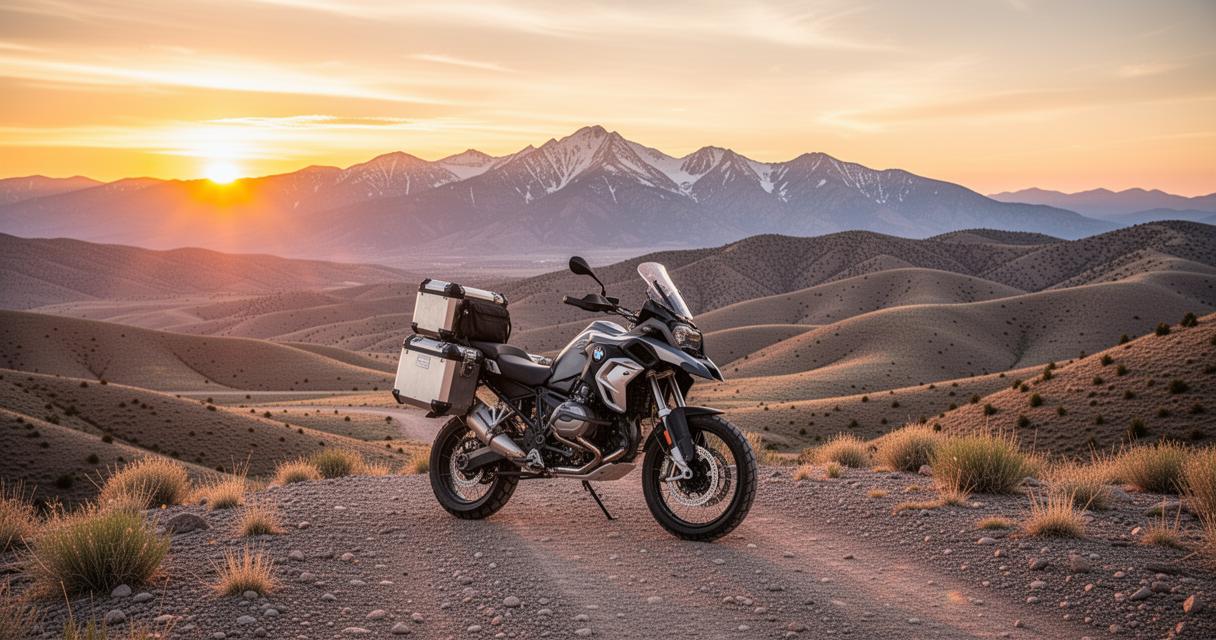
Anyone drawn to sweeping ocean views and twisting elevation changes will find plenty to love along the coastal highways and mountain passes woven throughout these routes. The Lost Coast section in California, for instance, delivers a rare mix of remote beaches and steep, wooded climbs, while sections through Colorado and Wyoming trace paths close to the Continental Divide, offering riders a genuine sense of scale as peaks rise on either side of the trail.
Desert trails and forest backroads
Further south and east, the terrain shifts dramatically. Arizona and New Mexico serve up sun-baked desert trails where the silence is broken only by the hum of the engine, while states like Idaho and Montana offer dense forest backroads that feel a world away from modern life. It is exactly this variety that makes adventure motorcycle tours across the country so compelling, since no two days on the road ever look quite the same.
Planning your ultimate american motorcycle adventure
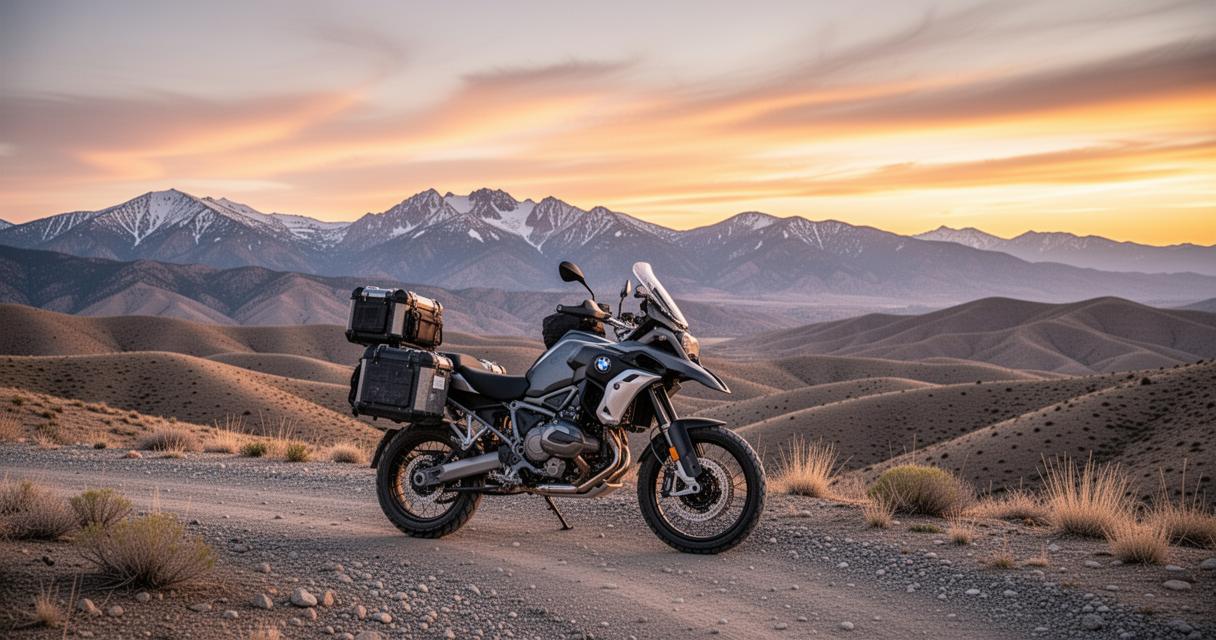
Turning this kind of trip from daydream into reality takes a bit of groundwork, but the resources available to riders have never been more comprehensive. Numerous tour companies now operate across the country, offering everything from fully guided experiences to self-guided itineraries for those who prefer independence. Among them, Moto Trails USA has built a reputation for well-organised guided tours, including popular routes such as the Continental Divide, Red Rocks, Spirit of Dakar and Cactus Land journeys. Their rental fleet of Yamaha Tenere 700 motorcycles is well suited to mixed terrain, and each bike typically comes fitted with Dunlop tyres, MoskoMoto soft bags, GPS units and satellite communication devices for added peace of mind. Trips can range from a brisk five-day BDR outing to the celebrated thirteen-day Continental Divide adventure, with itineraries often following scenic dirt roads where signs of civilisation become increasingly rare. Custom trips are also available, allowing non-riding companions to join via a pickup van or rental jeep, and bike sharing arrangements mean two riders can split the cost of a single rental machine. Riders bringing their own bikes or four-by-four vehicles are welcomed too, and most all-inclusive packages cover lodging, fuel, meals aside from restaurant dining, and support vehicles throughout the journey.
Essential gear and safety considerations
Preparation matters just as much as enthusiasm when it comes to off-road riding. Reputable operators place a strong emphasis on safety, and many riders choose to sharpen their skills beforehand at dedicated off-road schools such as SoCal Off-Road School, Jeff Stanton Adventures or GRIT Moto Ranch, each offering training suited to different experience levels. Proper motorcycle gear remains non-negotiable, and logistical matters like bike shipping, storage, and rental arrangements are worth sorting out well in advance. Those opting for self-guided tours should remember that responsibility for navigation and safety rests squarely on their own shoulders, which is why GPS navigation and satellite devices are so widely recommended for remote stretches with little to no phone signal.
Best seasons and regional highlights
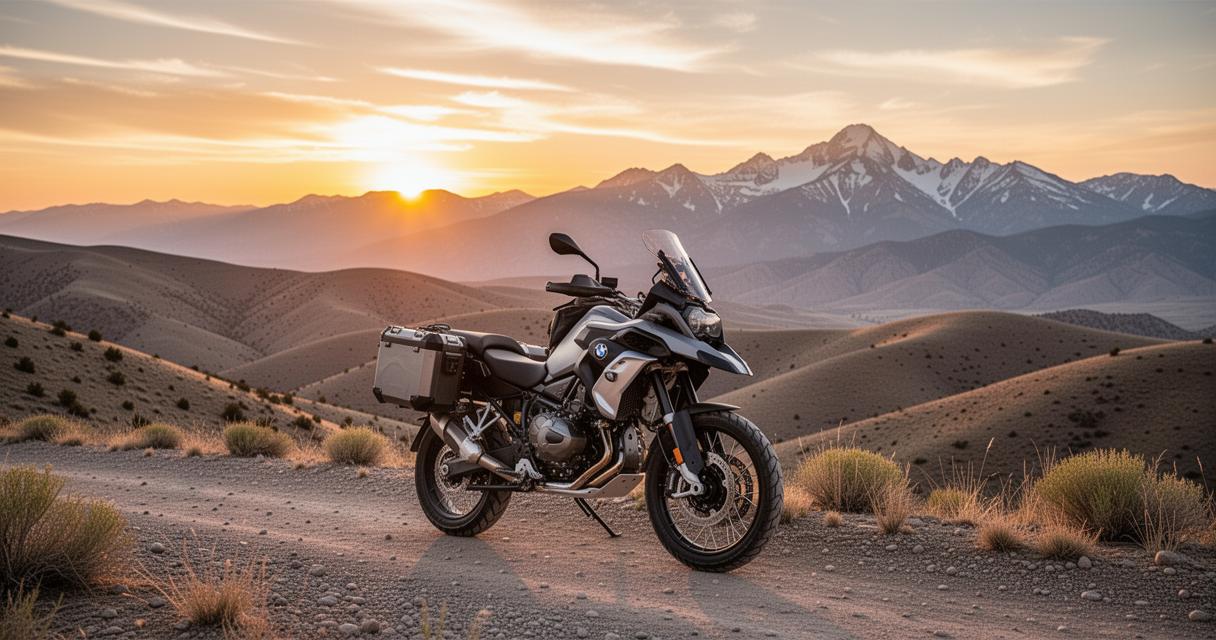
Timing a trip well can make all the difference. Desert regions such as Arizona and Nevada are best tackled outside the punishing summer heat, while mountainous stretches through Colorado, Idaho and Wyoming are generally more forgiving once the winter snow has cleared. Riders based near cities like Las Vegas or Phoenix sometimes opt for extended stays with a single room as a base, using it to launch shorter regional rides before tackling longer routes. Testimonials from past participants consistently highlight the sense of achievement and camaraderie built along the way, with many praising the balance of genuine adventure and reassuring support from guides. For anyone still weighing up the idea, browsing FAQs, event listings and touring resources online is a sensible next step, and reaching out directly to operators by email or phone can help iron out the finer details. There is also a quieter side to this community worth mentioning, as many routes rely on donations and annual supporters to maintain trails and mapping efforts, ensuring these journeys remain open for the next generation of riders chasing their own slice of the American backcountry.